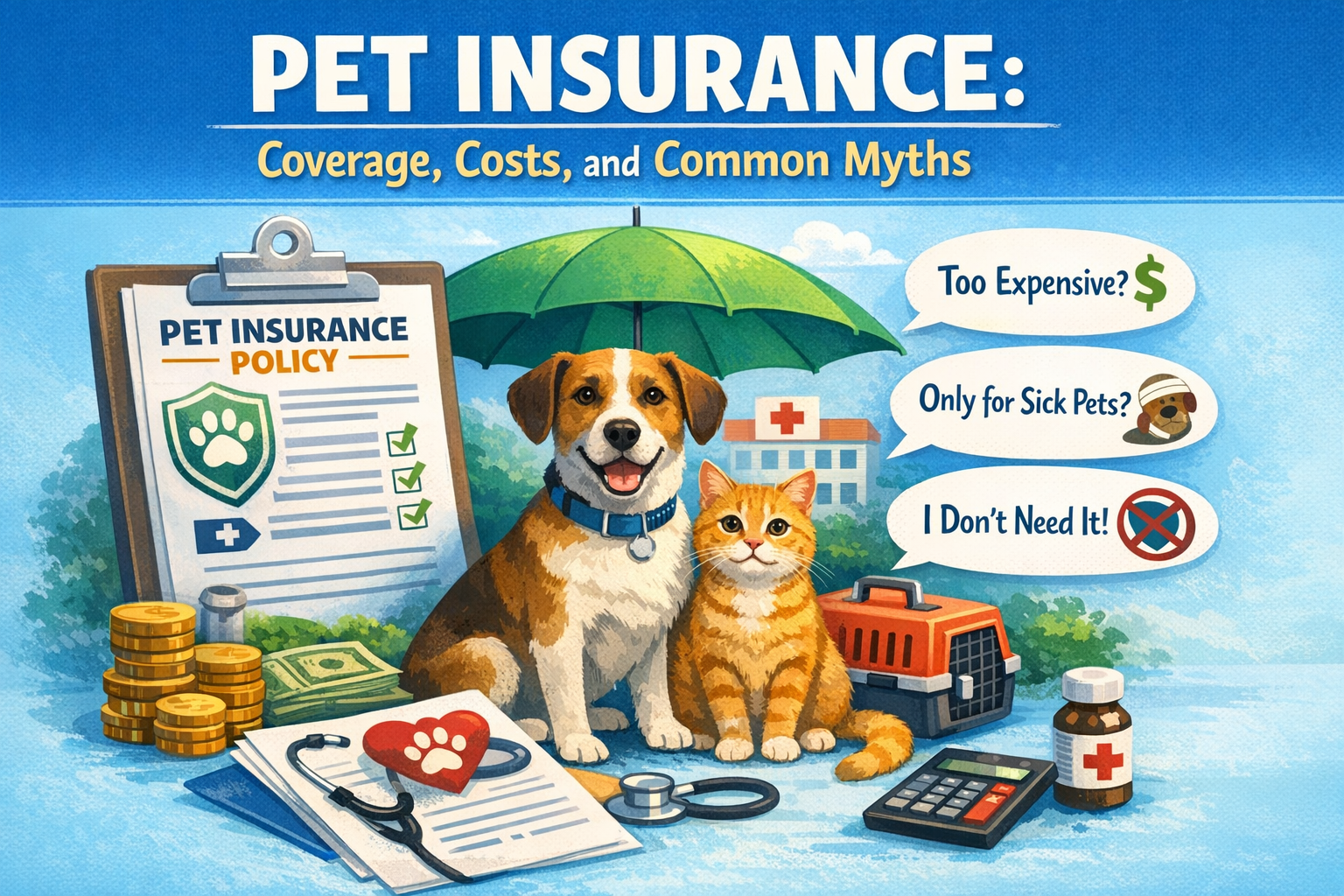
Pets quickly become part of the family, and their health often feels just as important as anyone else’s. Unexpected illnesses or injuries, however, can lead to costly vet visits. A pet insurance policy is designed to help manage those expenses so decisions can focus on care rather than cost. Understanding how coverage works makes it easier to choose protection that fits both the pet and the budget.
Understanding What Coverage Includes
Medical treatment for animals has advanced significantly in recent years. Procedures such as surgery, diagnostic imaging, and specialized therapies are now common but can be expensive. With veterinary insurance, many of these treatments may be partially reimbursed, depending on the terms of the plan. Reviewing coverage limits and exclusions helps avoid confusion later.
Coverage often differs depending on the type of animal. Dog insurance coverage may include protection for breed-specific conditions or injuries related to activity levels. Active breeds, for example, might face higher risks of joint problems or accidents. Understanding these differences ensures that coverage matches the realities of daily life.
Comparing Options for Different Pets
Cats also have unique healthcare needs. When exploring cat insurance plans, it is important to check whether common conditions such as dental disease or chronic illness are included. Indoor and outdoor cats may face different risks, which can influence coverage terms. Reading policy details carefully helps clarify what is reimbursable and what remains out of pocket.
The claims process is another factor to consider. Filing pet insurance claims usually involves submitting invoices and medical records after treatment. Some policies reimburse a percentage of costs, while others operate with fixed benefit amounts. Knowing how claims are handled makes the experience smoother during already stressful moments.
Balancing Cost and Coverage
Selecting a pet insurance policy often involves weighing monthly premiums against potential savings during emergencies. Lower premiums may come with higher deductibles or narrower coverage. Evaluating how often the pet visits the veterinarian and whether preventive care is included can guide this decision.
Long-term planning also plays a role. As animals age, the likelihood of medical treatment generally increases. Considering future health risks rather than focusing only on current needs leads to more thoughtful protection.
Health issues rarely arrive at convenient times, especially for beloved pets. A carefully chosen pet insurance policy helps reduce the financial strain of unexpected veterinary care. By understanding coverage types, reimbursement structures, and the claims process, pet owners can approach their decisions with greater clarity and confidence.