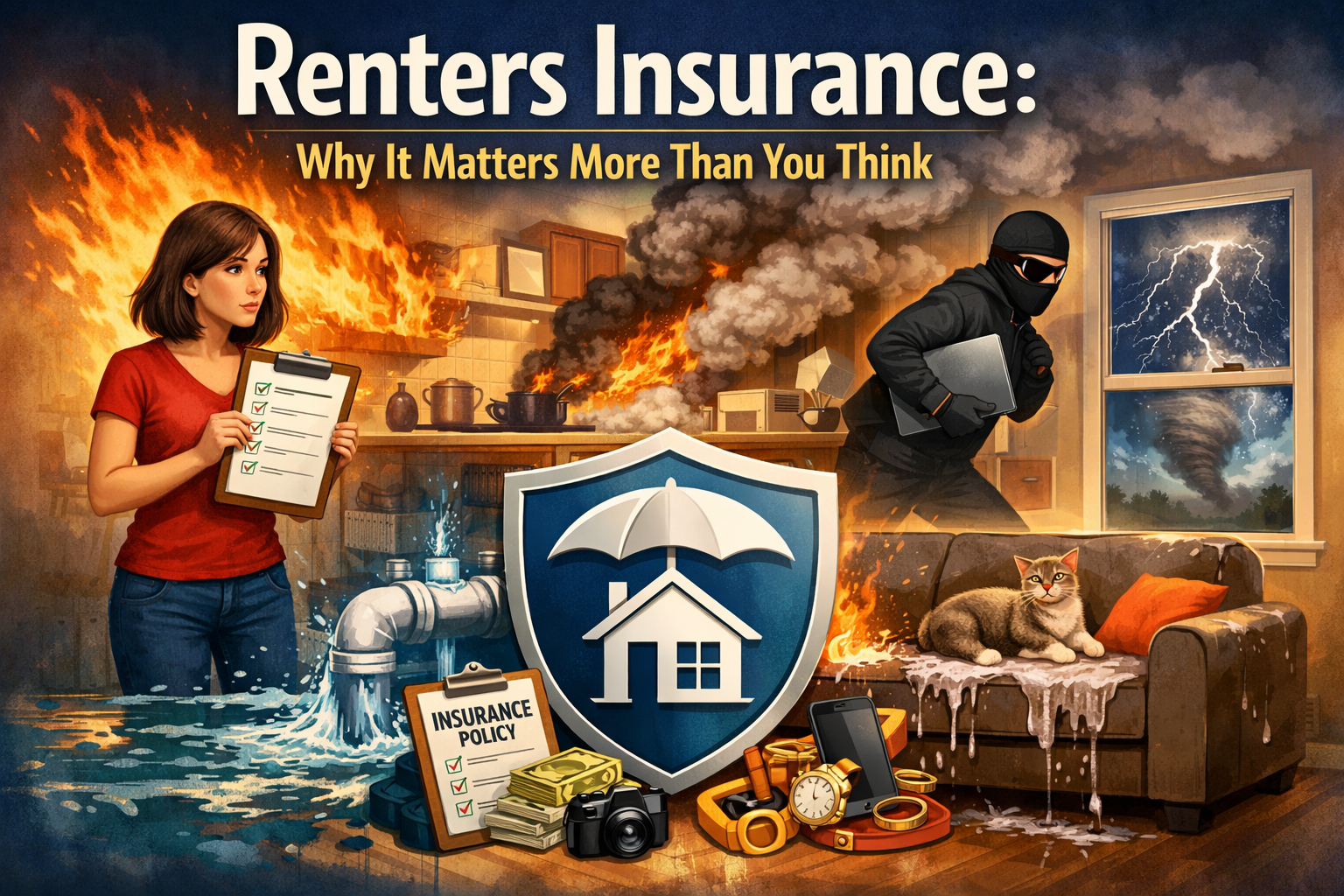
Renting a home often feels simpler than owning one, but it still comes with risks. Personal belongings can be damaged, stolen, or destroyed by events outside a tenant’s control. A renters insurance policy helps provide financial protection in those situations. Understanding how this type of coverage works can prevent unexpected expenses and unnecessary stress.
What Is Actually Covered
Many tenants assume the landlord’s insurance protects everything inside the apartment. In reality, a building owner’s policy usually covers only the structure itself. Tenant insurance coverage focuses on the renter’s belongings and certain personal liabilities. This distinction is important because furniture, electronics, and clothing are typically the tenant’s responsibility.
Protection for belongings is often referred to as personal property insurance. If items are damaged by fire, water leaks, or theft, reimbursement may be available up to the policy limit. Reviewing those limits carefully ensures that coverage matches the estimated value of possessions. Taking an inventory of personal items can make this evaluation more accurate.
Liability and Unexpected Accidents
Coverage does not stop at physical belongings. With liability renters insurance, financial protection may apply if someone is injured inside the rented space and the tenant is found responsible. Legal costs and medical expenses can escalate quickly without this safeguard. Having liability coverage adds another layer of security beyond property protection.
Many people also hear the term apartment insurance, which is often used interchangeably with renter protection. Regardless of terminology, the focus remains on shielding tenants from financial loss related to accidents or damage. Reading policy details carefully helps clarify exactly what situations are included.
Considering Cost and Value
Choosing a renters insurance policy often involves balancing affordability with realistic protection. Monthly premiums are generally lower than homeowners insurance, but coverage limits and deductibles still matter. Evaluating potential risks, such as living in an area prone to storms or theft, can guide decisions about coverage amounts.
It also helps to review exclusions. Some events, like floods or earthquakes, may require additional coverage depending on location. Understanding these boundaries ensures that expectations align with the actual policy terms.
Renting does not eliminate financial risk. A well-chosen renters insurance policy protects personal belongings and offers liability support when accidents happen. By understanding property coverage, liability protection, and policy limits, tenants can feel more secure in the place they call home.