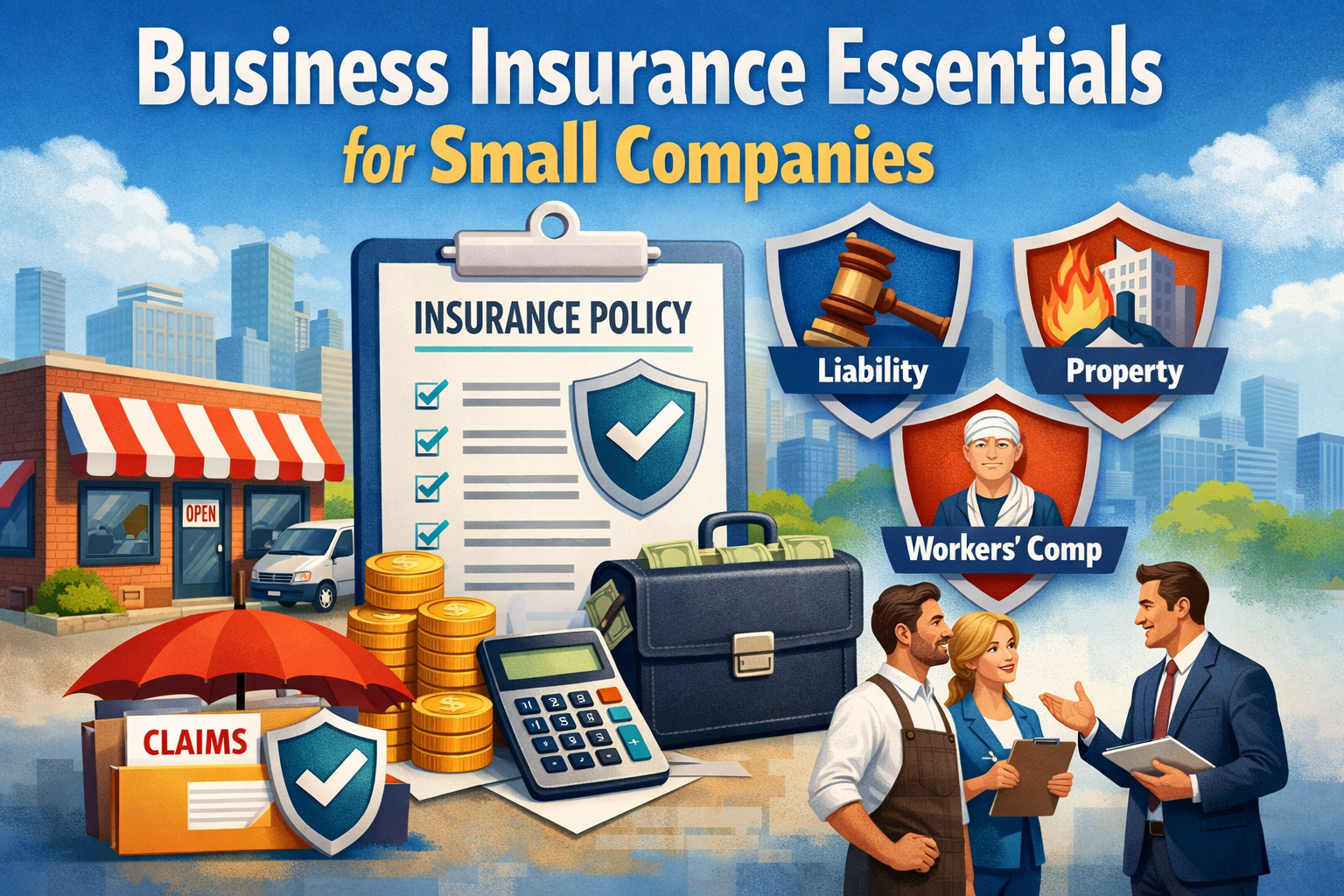
Running a company always involves a degree of risk. Equipment can fail, clients may file complaints, or accidents might occur without warning. A business insurance policy is designed to reduce the financial impact of those events and keep operations stable. Understanding how different types of protection work together helps business owners make informed decisions rather than reacting under pressure.
Covering Everyday Risks
Even routine activities can lead to unexpected problems. With general liability insurance, a company receives protection if someone is injured on its premises or if property damage occurs during normal operations. Legal fees and settlement costs can quickly become overwhelming without this safeguard. Having coverage in place creates a buffer against sudden claims.
Service-based companies often consider professional liability insurance as well. This type of protection applies when clients believe mistakes, omissions, or advice have caused financial harm. Even careful work can be questioned, and defending against such claims can be expensive. Coverage focused on professional services helps address these specific risks.
Protecting Physical Assets
A company’s physical space and equipment are also vulnerable. Commercial property insurance typically covers buildings, furniture, inventory, and equipment against events like fire or theft. Damage to these assets can interrupt operations for weeks or months. Ensuring that property is adequately insured reduces the likelihood of long-term disruption.
For entrepreneurs just starting out, small business insurance often combines multiple protections into one structure. This approach simplifies management by addressing common risks under a single framework. While needs vary by industry, combining coverage can provide clarity and consistency.
Thinking About Long-Term Stability
Selecting a business insurance policy involves more than checking regulatory requirements. Each industry faces different exposures, from customer interactions to data handling. Reviewing how the company operates on a daily basis helps identify where protection is most needed. Over time, as the business grows or changes direction, coverage may need adjustment.
Cost is always part of the decision, yet focusing solely on premiums can lead to gaps in protection. A lower monthly payment may come with higher deductibles or narrower coverage limits. Evaluating terms carefully helps ensure that protection aligns with actual operational risks.
No company is entirely free from uncertainty. A thoughtfully chosen business insurance policy provides financial support when unexpected events occur. By understanding liability protection, property coverage, and the specific needs of smaller enterprises, business owners can create a stronger foundation for long-term stability.