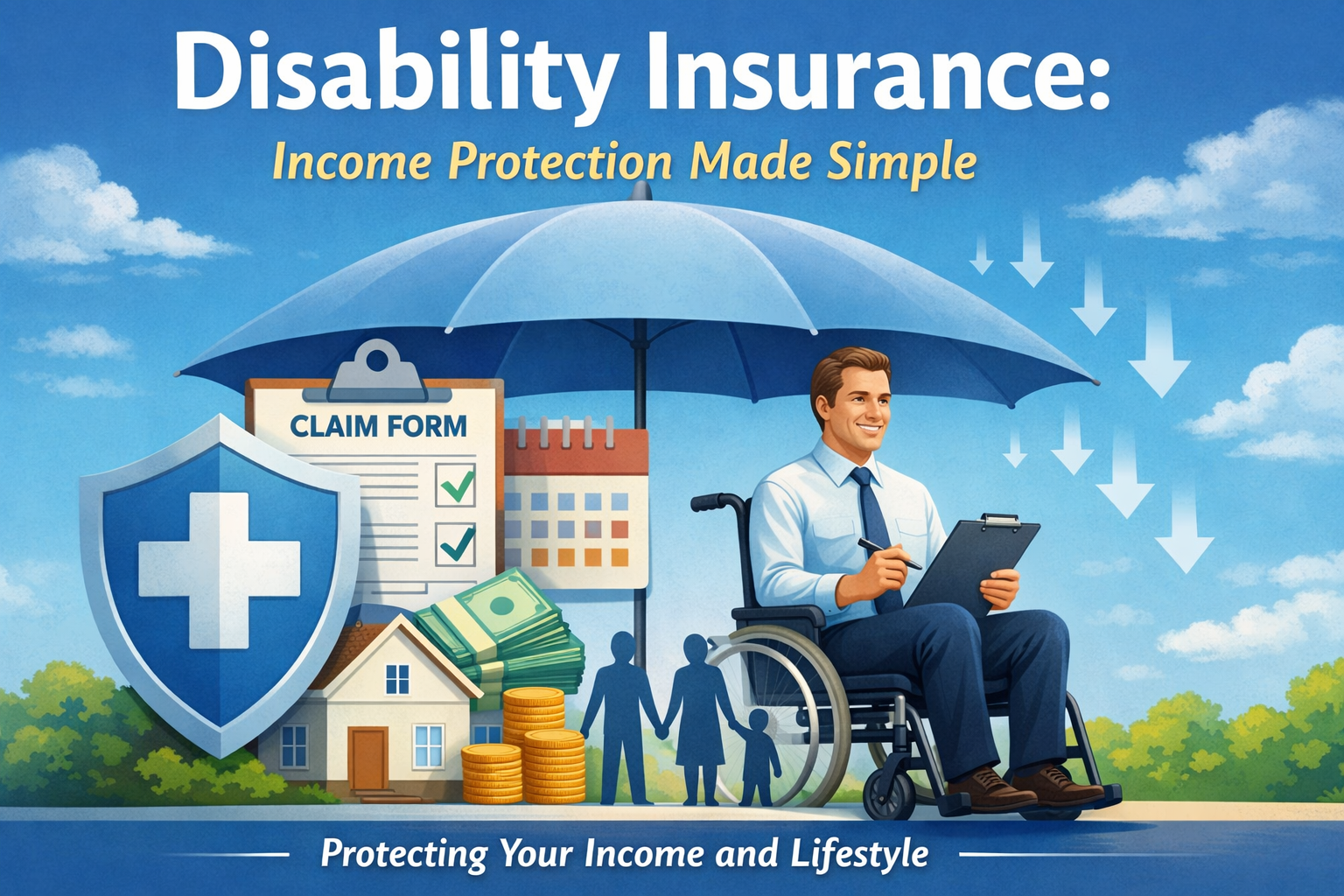
Most people rely on their paycheck to cover everyday expenses, from rent to groceries. When illness or injury prevents someone from working, that steady income can suddenly disappear. A disability insurance policy is designed to replace part of that lost income during recovery. Understanding how this protection works can reduce uncertainty during already challenging times.
Short-Term and Long-Term Protection
Coverage often depends on how long a person is unable to work. Short term disability insurance typically provides benefits for a limited period, often covering several weeks or months. This type of policy may help during recovery from surgery or temporary medical conditions. Because payments begin relatively quickly, it can offer immediate financial relief.
For more serious situations, long term disability insurance extends support over a longer period, sometimes lasting years. Conditions that require extended treatment or rehabilitation may fall into this category. While benefits may begin after a waiting period, they often provide stability during prolonged absences from work. Reviewing policy timelines carefully ensures realistic expectations.
Understanding What Benefits Cover
The amount received through disability insurance benefits usually represents a percentage of regular income. This partial replacement helps cover essential expenses without encouraging a return to work before recovery is complete. Policies may also define what qualifies as a disability, so understanding those definitions is important.
Some individuals refer to this type of coverage as income protection insurance, emphasizing its role in safeguarding financial stability. Whether temporary or long-term, the goal remains the same: to maintain a basic standard of living while health is restored. Evaluating how much income would be needed during recovery helps determine appropriate coverage levels.
Considering Personal Circumstances
Choosing a disability insurance policy often depends on occupation and savings. People in physically demanding roles may face higher risk of injury, while others might worry about illnesses that prevent office work. Personal savings can influence how long someone could manage without income, which in turn affects policy choices.
Cost also plays a role. Premiums vary based on age, health history, and coverage duration. Balancing affordability with realistic protection helps avoid financial strain while still preparing for unexpected events.
Life rarely unfolds exactly as planned, and health challenges can arise without warning. A well-considered disability insurance policy offers income support during times when working is not possible. By understanding coverage duration, benefit structures, and personal risk factors, individuals can approach their decision with greater confidence and clarity.