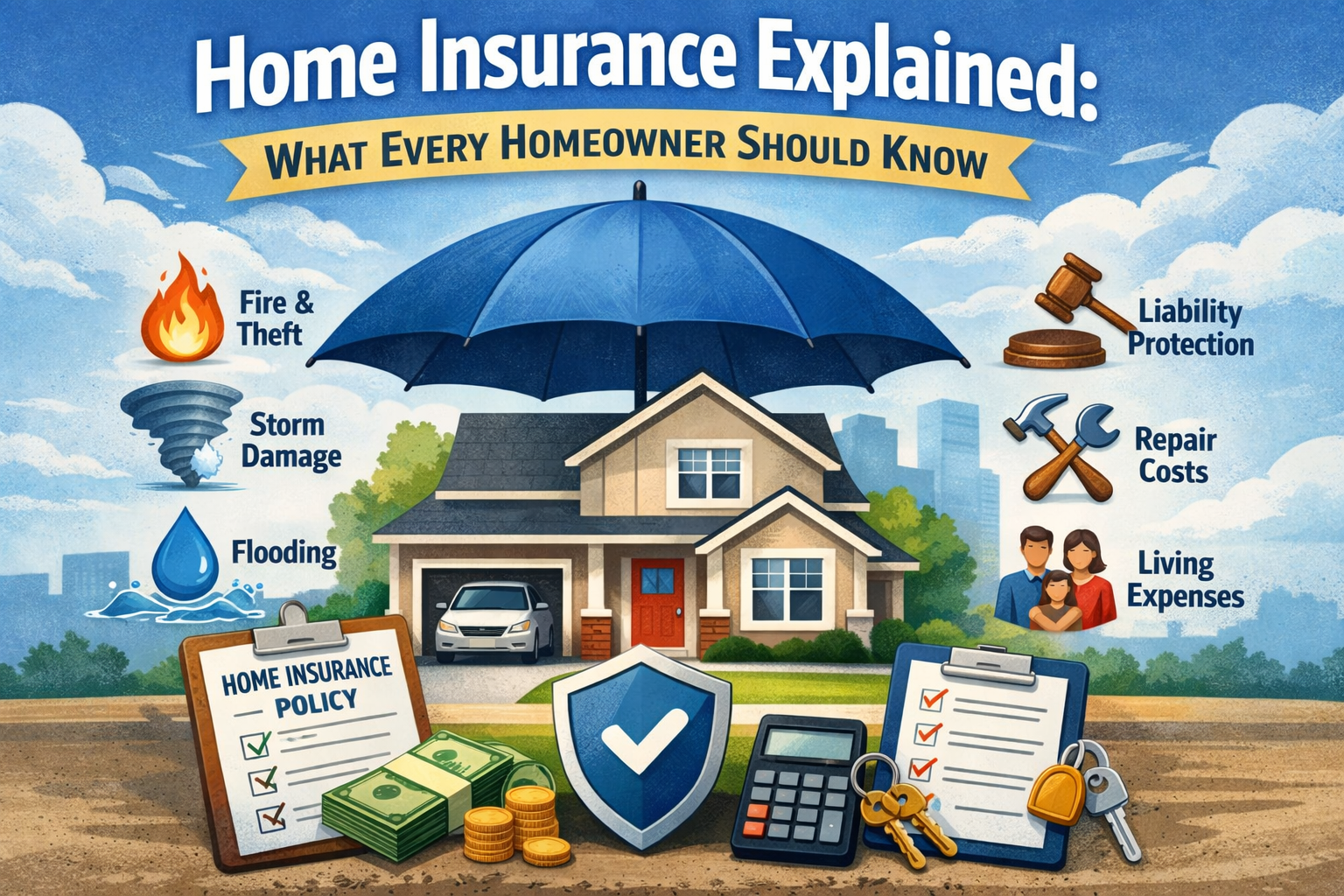
A house is more than walls and a roof; it is where everyday life happens. A home insurance policy exists to protect that space from unexpected events that can cause serious financial strain. While many people purchase coverage during the mortgage process, understanding what it actually includes is just as important. Clear knowledge helps avoid confusion if something goes wrong.
What Coverage Really Includes
Most policies are built around protection for the structure itself and the belongings inside. In cases of break-ins, theft insurance protection helps cover stolen items, depending on policy limits. Reviewing those limits in advance makes it easier to understand how much reimbursement might be available. Personal property coverage often extends beyond furniture to electronics, clothing, and appliances.
Weather-related events also play a major role in coverage decisions. Certain policies include natural disaster insurance, but the definition of “natural disaster” can vary. Some events, like floods or earthquakes, may require additional protection depending on location. Checking these details carefully prevents unpleasant surprises after severe weather.
Looking at Financial Details
Liability is another key part of many policies. With home liability coverage, homeowners receive protection if someone is injured on their property. This can include medical expenses or legal costs if a claim arises. Even a simple accident on a slippery walkway can lead to significant expenses without this safeguard.
Rebuilding after major damage introduces another important concept: replacement cost coverage. This type of coverage focuses on the cost to rebuild or repair without subtracting depreciation. Understanding how this differs from actual cash value helps clarify what compensation might look like after a serious incident. The difference between these two approaches can be substantial.
Comparing Policies Carefully
When reviewing home insurance quotes, price is only one part of the picture. Policies that appear similar at first glance may differ in deductibles, coverage limits, or exclusions. Taking time to read details ensures that the protection aligns with both the home’s value and personal comfort level. A lower premium may come with higher out-of-pocket responsibility during a claim.
Choosing a home insurance policy often involves balancing cost with realistic risk. Factors such as location, property age, and neighborhood safety influence pricing and coverage terms. Evaluating these elements thoughtfully helps create confidence in the decision.
Unexpected events can happen without warning, from storms to accidents. A home insurance policy provides financial support during those moments, helping protect both property and peace of mind. By understanding coverage types, liability protection, and rebuilding costs, homeowners can approach their decisions with greater clarity and preparedness.