Thinking about the future is not always comfortable, especially when it involves difficult scenarios. A life insurance policy is designed to provide financial support to loved ones if something unexpected happens. While it may feel like a distant concern, understanding how coverage works can bring clarity and reassurance. The right preparation often reduces uncertainty rather than increasing it.
Understanding Different Types of Coverage
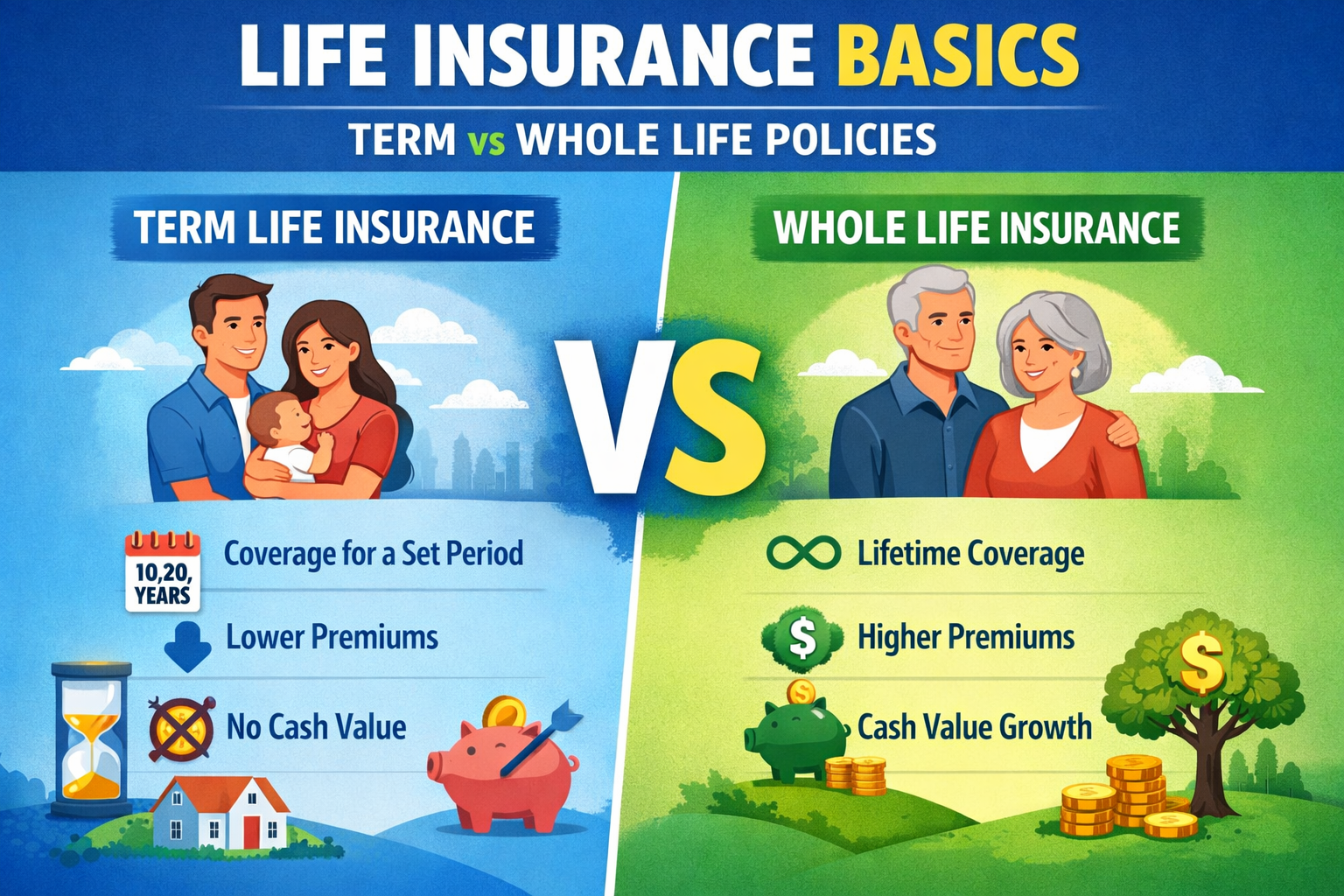
Insurance options vary depending on how long protection is needed. Term life insurance provides coverage for a specific number of years, often chosen to align with a mortgage or children’s education timeline. If the policyholder passes away during that term, the benefit is paid to the beneficiaries. Once the term ends, coverage typically expires unless renewed.
In contrast, whole life insurance remains active for the policyholder’s lifetime as long as payments continue. This type of coverage usually includes a savings component that can grow over time. Some people prefer the stability of lifelong protection, especially when planning for long-term family security. The structure of these policies can feel more predictable, though they often come with higher costs.
Looking at Long-Term Protection
Beyond these two main categories, there is also permanent life coverage, which combines lasting protection with potential cash value accumulation. This broader category includes policies designed to remain in place for decades. It can be appealing for those who want coverage that does not expire after a fixed term. Understanding how each type fits personal goals makes decision-making more thoughtful.
Cost remains an important factor. The amount paid regularly is known as the life insurance premium, and it depends on age, health, and the size of the benefit. Younger and healthier individuals often qualify for lower premiums. Evaluating affordability alongside coverage needs helps maintain balance between protection and budget.
Choosing What Fits Your Situation
Selecting a life insurance policy often depends on family responsibilities and financial obligations. Someone with dependents may prioritize higher coverage to replace lost income, while others might focus on covering debts or funeral expenses. Reviewing personal goals and future plans provides direction without rushing into unnecessary commitments.
The key is not simply choosing between options, but understanding how each type of coverage supports long-term security. Comparing terms, duration, and cost creates a clearer view of what aligns with individual circumstances.
Life rarely unfolds exactly as expected, which is why preparation matters. A carefully considered life insurance policy offers financial stability to those left behind. By understanding term options, permanent coverage, and premium structures, it becomes easier to approach this decision with confidence and clarity rather than uncertainty.